- The Athletic Entrepreneur
- Posts
- Europe First. Asia Next? The Global Expansion Question Facing the NBA
Europe First. Asia Next? The Global Expansion Question Facing the NBA
2 minute read

Athletic Entrepreneur
March 05, 2026
For decades the National Basketball Association has called itself a global league.
That vision may soon take a major step forward.
The late David Stern often spoke about expanding professional basketball beyond North America. One of the ideas he discussed most frequently was the possibility of a European NBA league.
Industry conversations suggest that the NBA could begin moving toward that concept as early as 2027.
If that happens, it would represent the most significant expansion of professional basketball since the league’s founding and ABA merger.
But the bigger question may not be Europe.
It may be Asia.
Why Europe Makes Sense
Europe is the most logical first step for NBA expansion.
The NBA has been building a presence across the continent for years.
Preseason and regular-season games have been played in cities like:
Paris
London
Madrid
Barcelona
These events were more than exhibitions.
They were market tests.
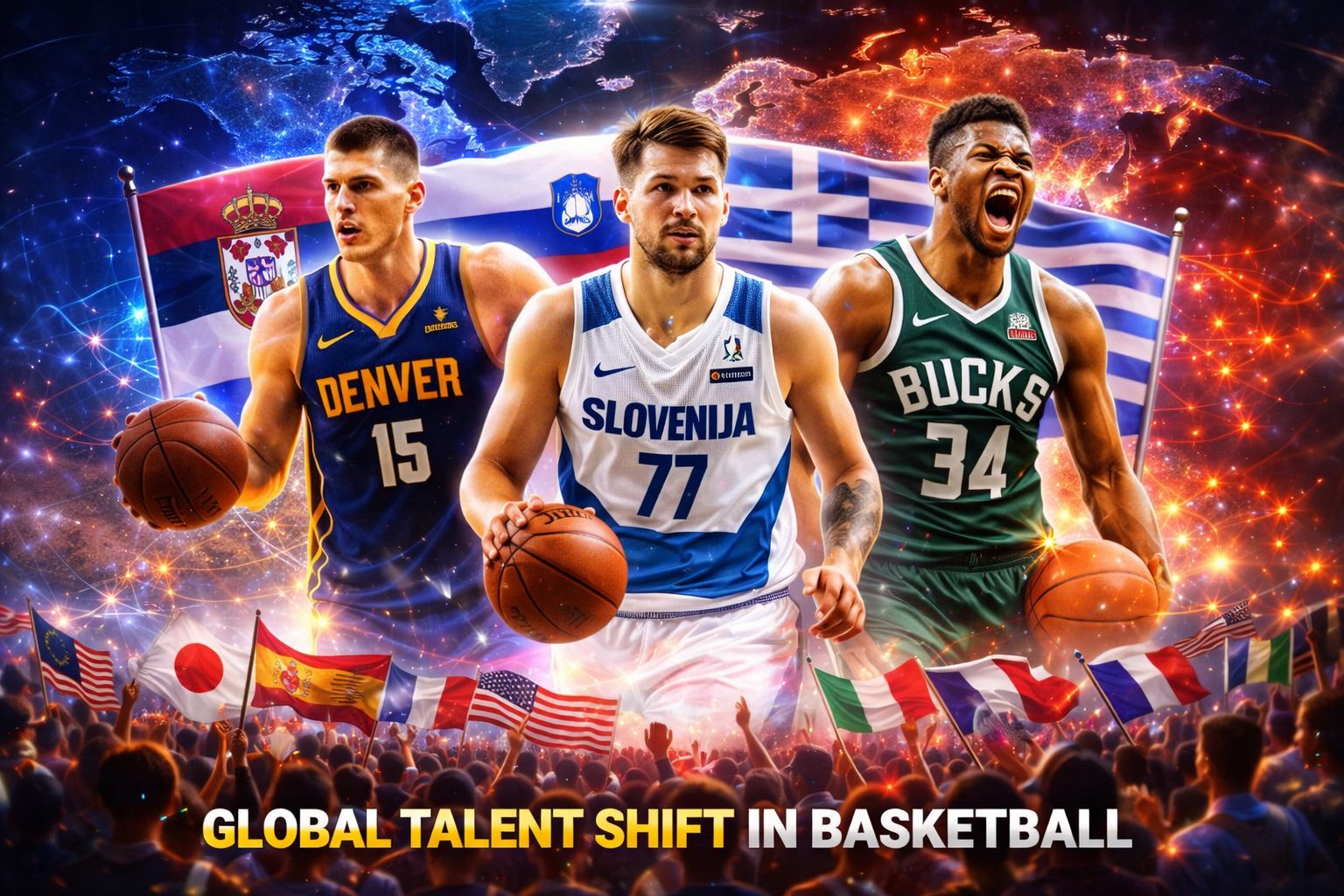
Europe also produces some of the NBA’s biggest stars today, including:
Nikola Jokic
Luka Dončić
Giannis Antetokounmpo
That talent pipeline strengthens the NBA’s connection to the region.
Europe also offers stable media markets, strong arenas, and established professional basketball infrastructure through leagues like the Euro League
From a business standpoint, Europe is a natural place to expand.
But Asia Has Something Europe Doesn’t
Scale.
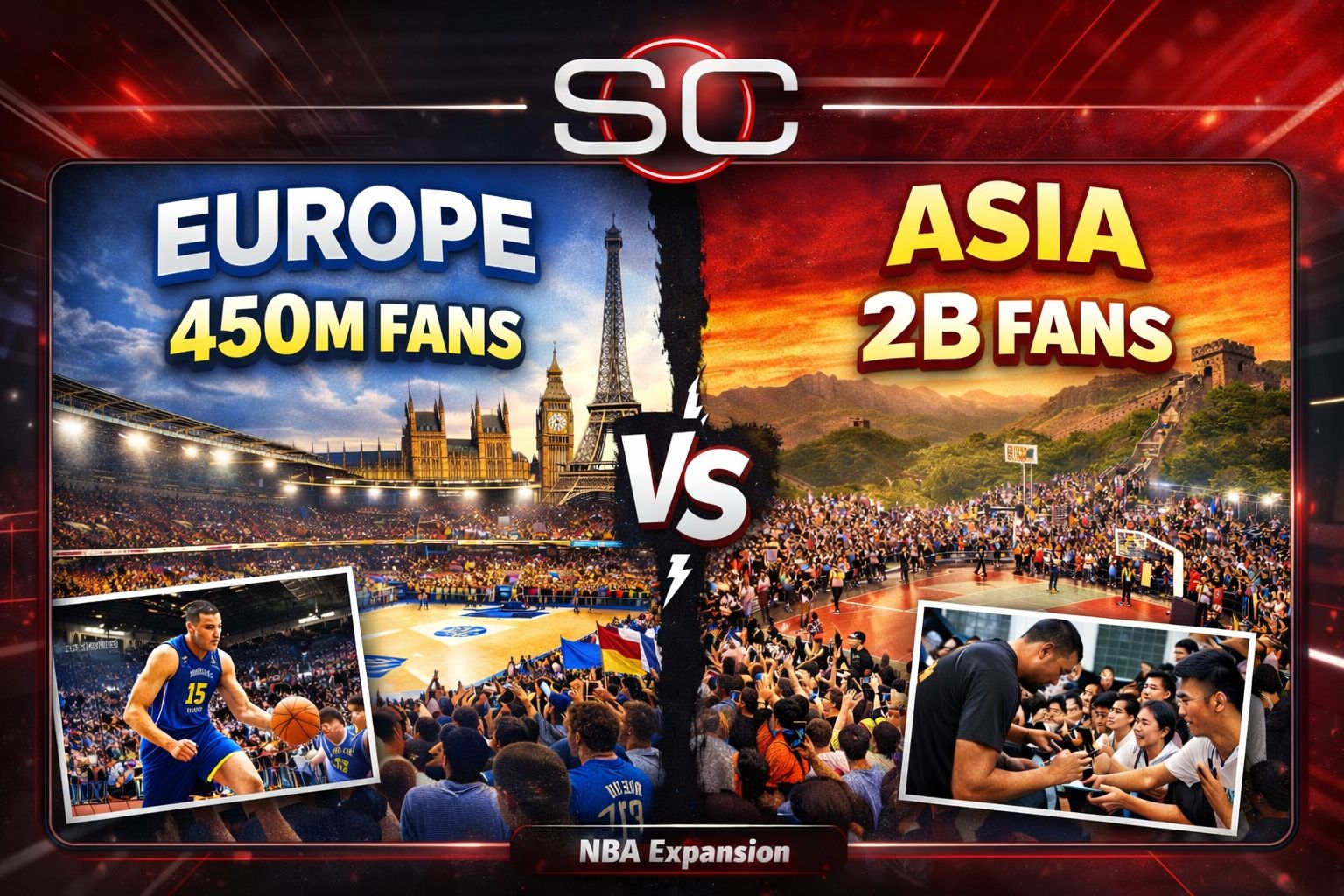
Europe’s population is roughly 450 million people.
East and Southeast Asia contain more than two billion.
Basketball’s cultural position is also different.
In Europe, football dominates the sports landscape and basketball generally ranks as a secondary sport.
In China and many parts of Asia, basketball is often the number one urban sport.
Outdoor courts are filled every night in cities across the region.
Participation is massive.
China Helped Prove the Market
The NBA’s relationship with China exploded during the era of Yao Ming
His success helped connect the NBA to hundreds of millions of Chinese fans.
NBA exhibition games played in Beijing and Shanghai
drew enormous crowds and massive television audiences.
The NBA didn’t just visit China.
It invested heavily in the market.
The Summer Tour Effect
Every offseason NBA players travel across Asia for promotional tours hosted by major sportswear companies.
Brands like Nike and Adidas regularly organize basketball events across China and other Asian markets.
These tours attract thousands of fans.
They reinforce basketball culture.
And they connect NBA players directly with international audiences.
The Next Stage of Global Basketball
If the NBA expands into Europe, the move could mark the beginning of a broader global structure for professional basketball.
Imagine a future where the sport operates through regional ecosystems:
• NBA North America
• NBA Europe
• NBA Asia
Regional leagues could compete domestically while also participating in international tournaments.
The early signs of that structure are already appearing through competitions like the East Asian Super League (EASL )
It’s a structure similar to global football.
Europe May Be First. Asia May Be Bigger.
Europe offers stability and strong infrastructure.
Asia offers scale.
Billions of potential fans.
And a basketball culture that continues to grow.
If the NBA moves into Europe in the coming years, the move will reshape global basketball.
But it may also raise an even bigger question.
Could Asia ultimately become the largest basketball market in the world?