- The Athletic Entrepreneur
- Posts
- He Never Got the Money But Every College Athlete Getting Paid Today Owes Him
He Never Got the Money But Every College Athlete Getting Paid Today Owes Him
The reason college athletes can monetize today

Michael Kennedy
April 08, 2026
In partnership with

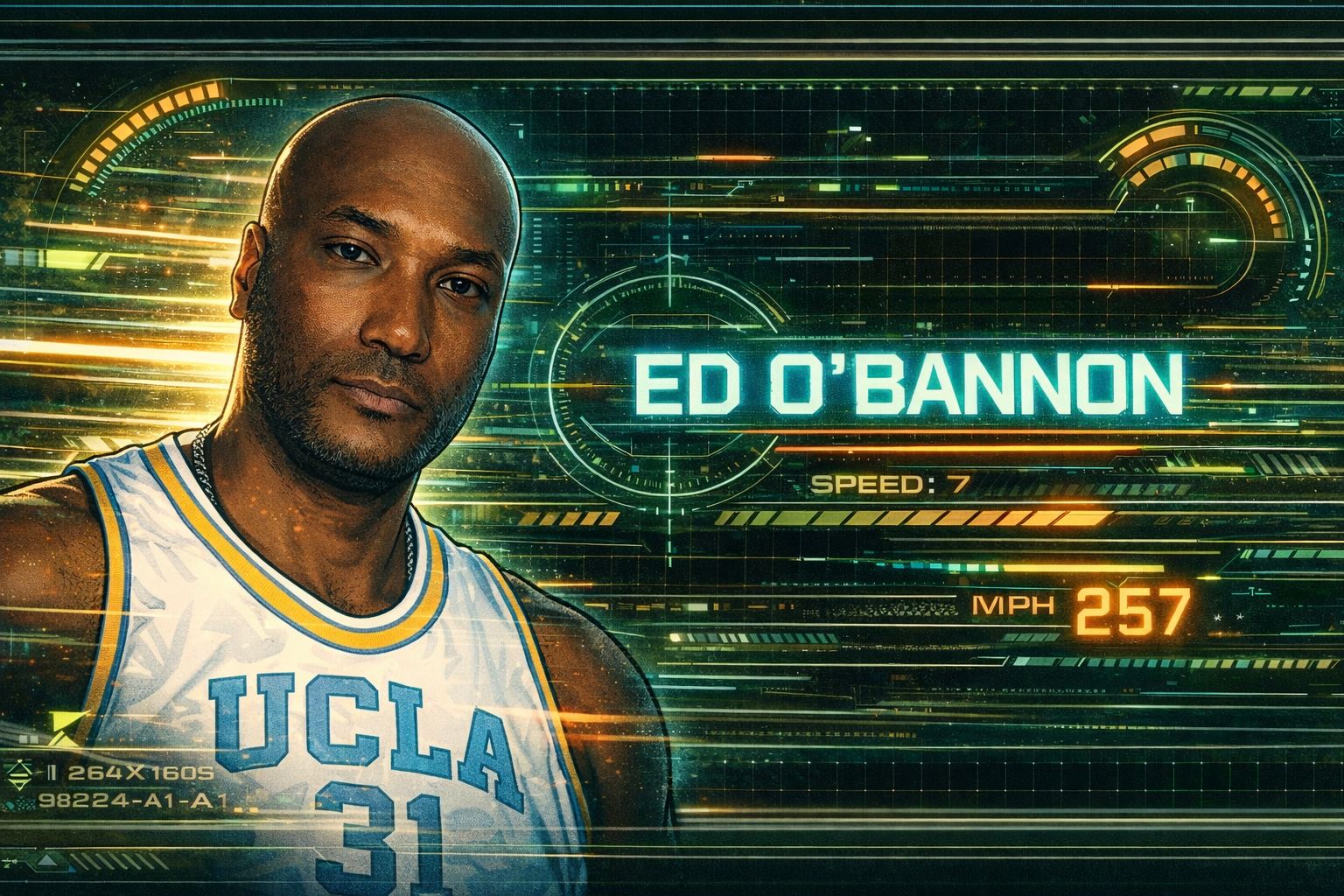
Ed O'Bannon almost didn't notice it at first.
It was just a video game — the kind of thing you pick up on a slow afternoon, thumb through the rosters, run a few plays. But something made him stop. There, on the screen, was a player wearing his old number. Built like him. Moving like him. That unmistakable left-handed release he had spent years perfecting under the lights at UCLA.
No name attached. The NCAA's lawyers had made sure of that.
But Ed O'Bannon knew exactly who he was looking at.
—
He had been a champion once. 1995 — Final Four, confetti falling, the whole dream realized. Then came the NBA, injuries, the slow fade that claims most careers. Life moved on. Bills, family, a job selling cars in Las Vegas. The glory days became a story he told, not a life he lived.
So when he stumbled across that video game years later, he wasn't looking for a fight. He wasn't looking for anything, really.
But the question crept in anyway, quiet and persistent:
If that's not me — then why does it look exactly like me?
—
In 2009, O'Bannon filed suit against the NCAA.
His lawyers argued what most people already sensed but had never said out loud in a courtroom: the NCAA had built a multibillion-dollar empire on the backs of athletes, and then — through the doctrine of amateurism — had convinced everyone that this arrangement was not only legal, but noble.
Television networks were paying hundreds of millions for broadcast rights. Electronic Arts was selling millions of copies of games populated with players who were never compensated. Highlight reels, merchandise, ticket sales — all of it flowing upward, none of it touching the athletes at the center of it.
The NCAA called this preserving the spirit of college sports.
O'Bannon called it something else.
—
The legal fight was long, expensive, and often discouraging. The NCAA did not concede ground easily. There were no quick settlements, no dramatic courtroom victories broadcast on the evening news. Just years of depositions, motions, and the grinding machinery of institutional resistance.
In 2014, a federal judge ruled in his favor. The NCAA's amateurism model, she found, violated antitrust law.
It wasn't a complete victory. The financial remedies were limited, and appeals chipped away at the ruling's edges. O'Bannon would not walk away wealthy. There were no brand deals waiting for him, no social media following to monetize. He had spent years fighting a system that had long since moved on from needing him.
But something had shifted.
A crack had opened in the foundation — one that would only widen with time.
—
The Supreme Court finished what O'Bannon started. In 2021, the unanimous decision in NCAA v. Alston dismantled what remained of the amateurism defense. And shortly after, the NIL era began — Name, Image, and Likeness — the right of college athletes to finally profit from exactly what O'Bannon had argued was always theirs.
Today's college athletes negotiate endorsement deals from their dorm rooms. They have agents, brand partnerships, and follower counts that some professionals would envy. They speak casually about their "personal brand" the way previous generations spoke about GPA.
They do all of this, largely, without knowing his name.
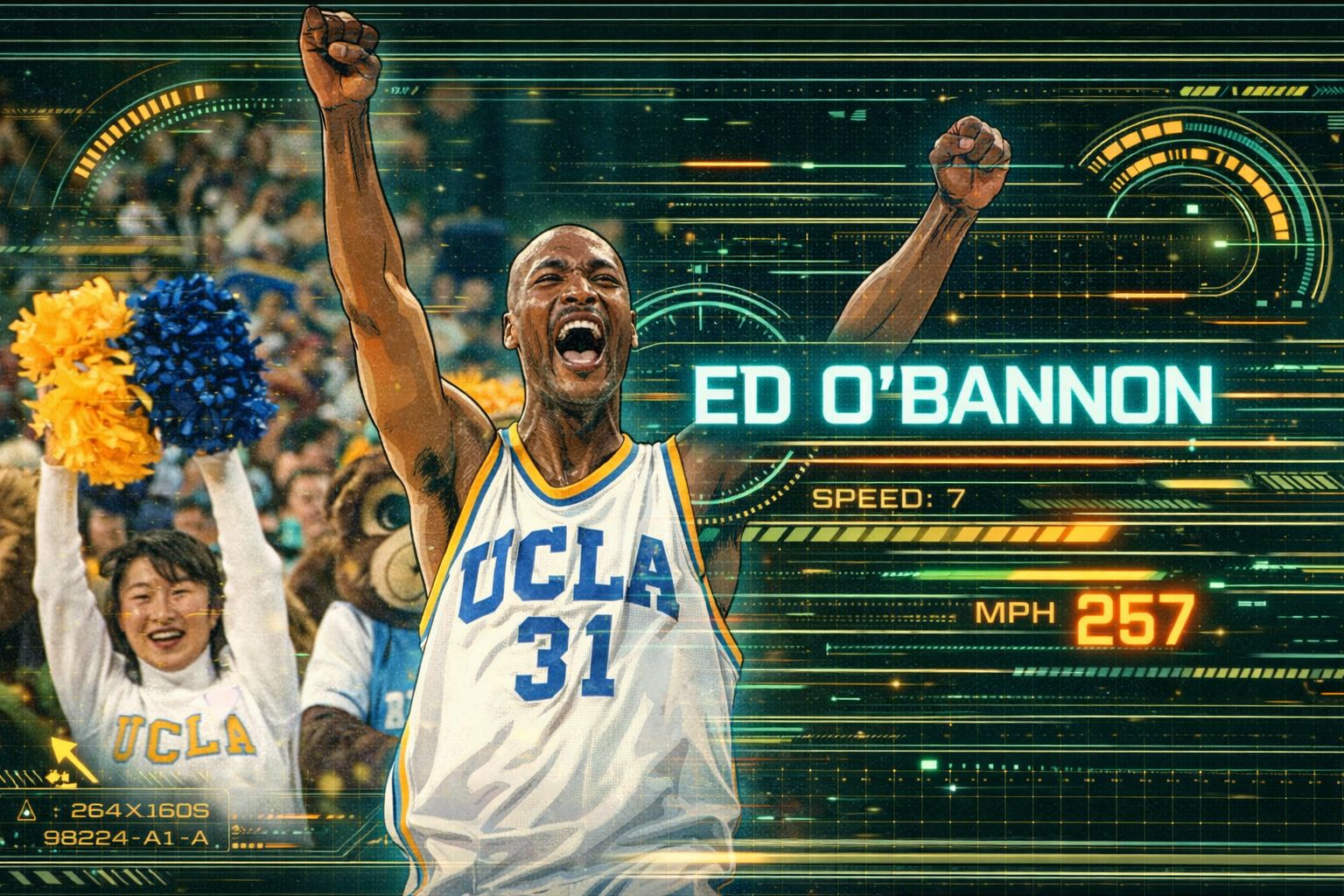
That's not bitterness — it's just the nature of how change works. The people who break open a door rarely get to walk through it themselves. O'Bannon didn't fight for a piece of the new system. He fought because he looked at a screen one afternoon and recognized something that had been taken from him — quietly, legally, and with great institutional confidence that he'd never push back.
He pushed back.
And somewhere in a locker room right now, a 19-year-old is signing a deal for a product they believe in, wearing a number that belongs to them, in a system that was reshaped — in no small part — by a man who once sold cars in Las Vegas and refused to look away from a video game.
—
The asset was always there. He just made them admit it.
Get what you want from TV advertising
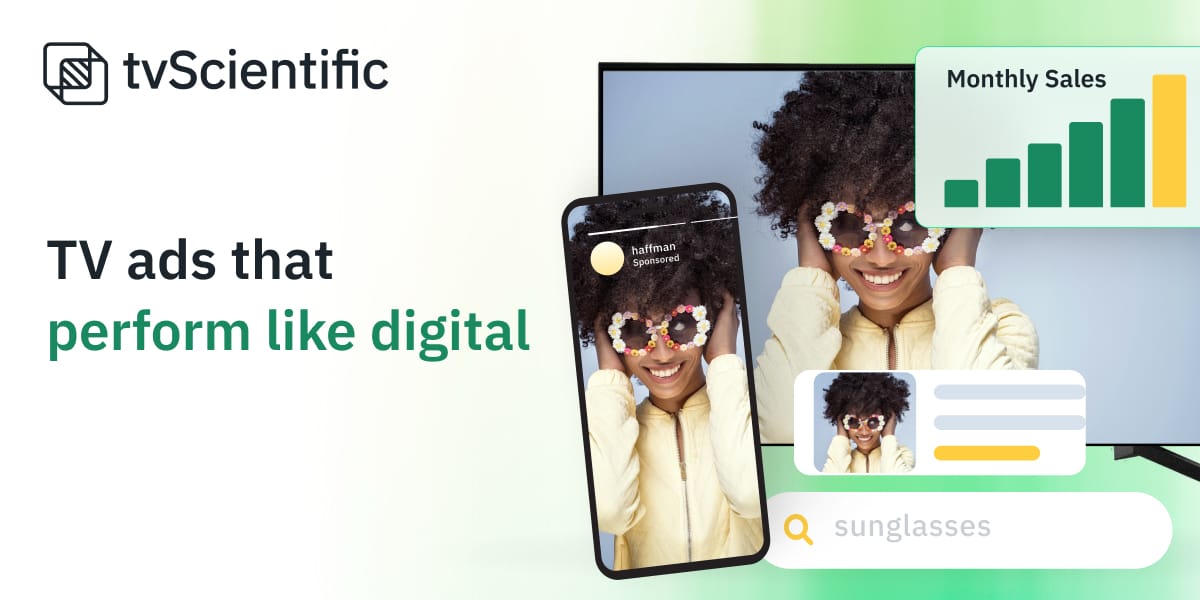
What you want from TV advertising: Full-screen, non-skippable ads on premium platforms.
What you get: "Your ad is on TV. Trust us."
Modern, performance-driven CTV gets your TV ads where you want with transparent placement, precision audience targeting, and measurable performance just like other digital channels.
TV doesn't have to be a black box anymore.
Support the Ecosystem
If you find value here, check out our partners above.
They’re not distractions.
They’re infrastructure.
And they help keep this newsletter running — so we can keep delivering at this level.