- The Athletic Entrepreneur
- Posts
- Hollywood Wants to Tax AI Actors. Where Do Mine Fit In?
Hollywood Wants to Tax AI Actors. Where Do Mine Fit In?
I’m building films with no actors. So where does the cost go?

Michael Kennedy
March 29, 2026
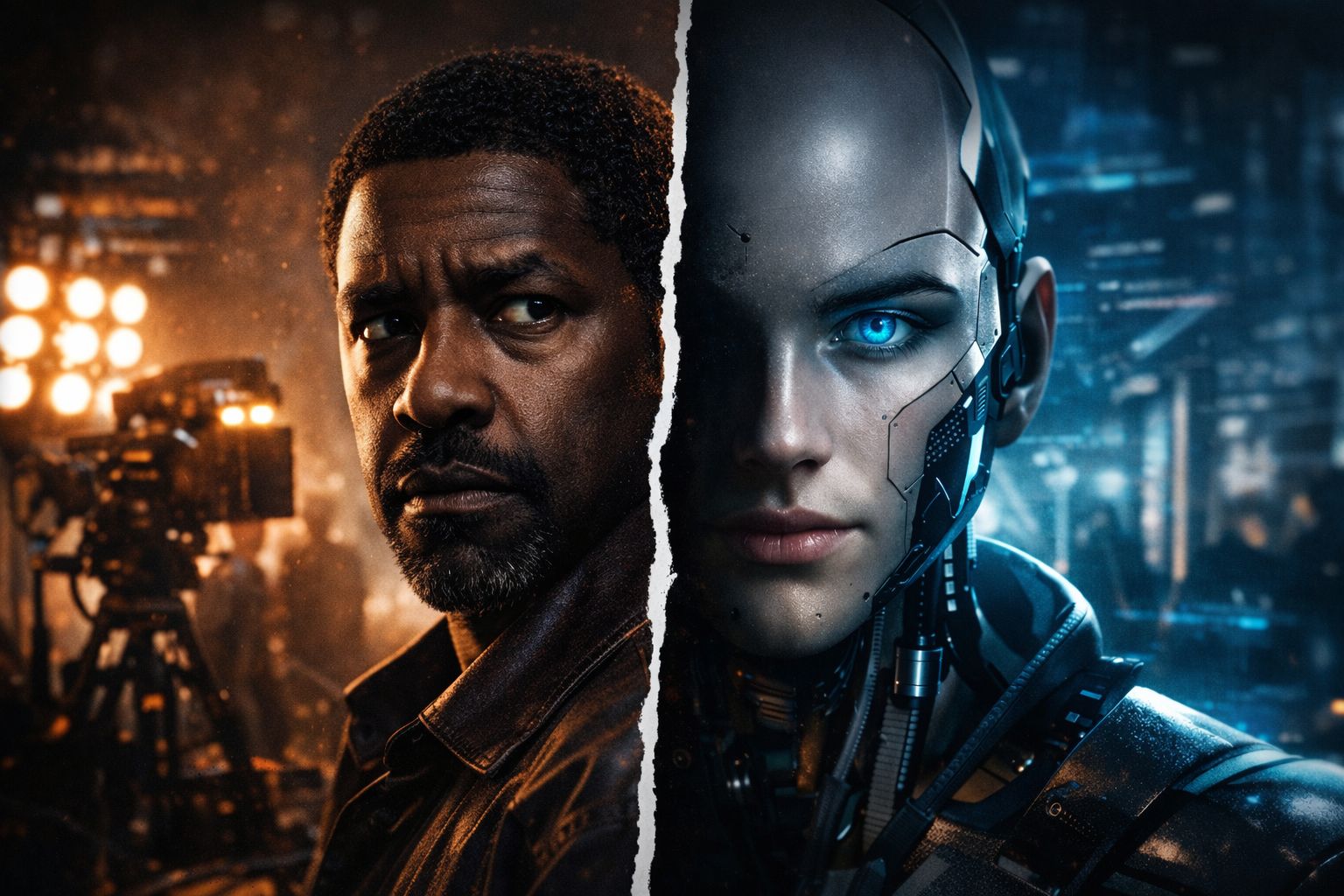
I’m currently enrolled in an AI film school, building scenes the old system would recognize—but not quite understand.
There are no casting calls in my process.
No agents. No contracts. No trailers parked outside a set.
Just AI prompts, models, iterations—and a finished scene.
So when Hollywood started floating the idea of taxing AI performers, I paid attention. Not as a spectator, but as someone already operating on the other side of that future.
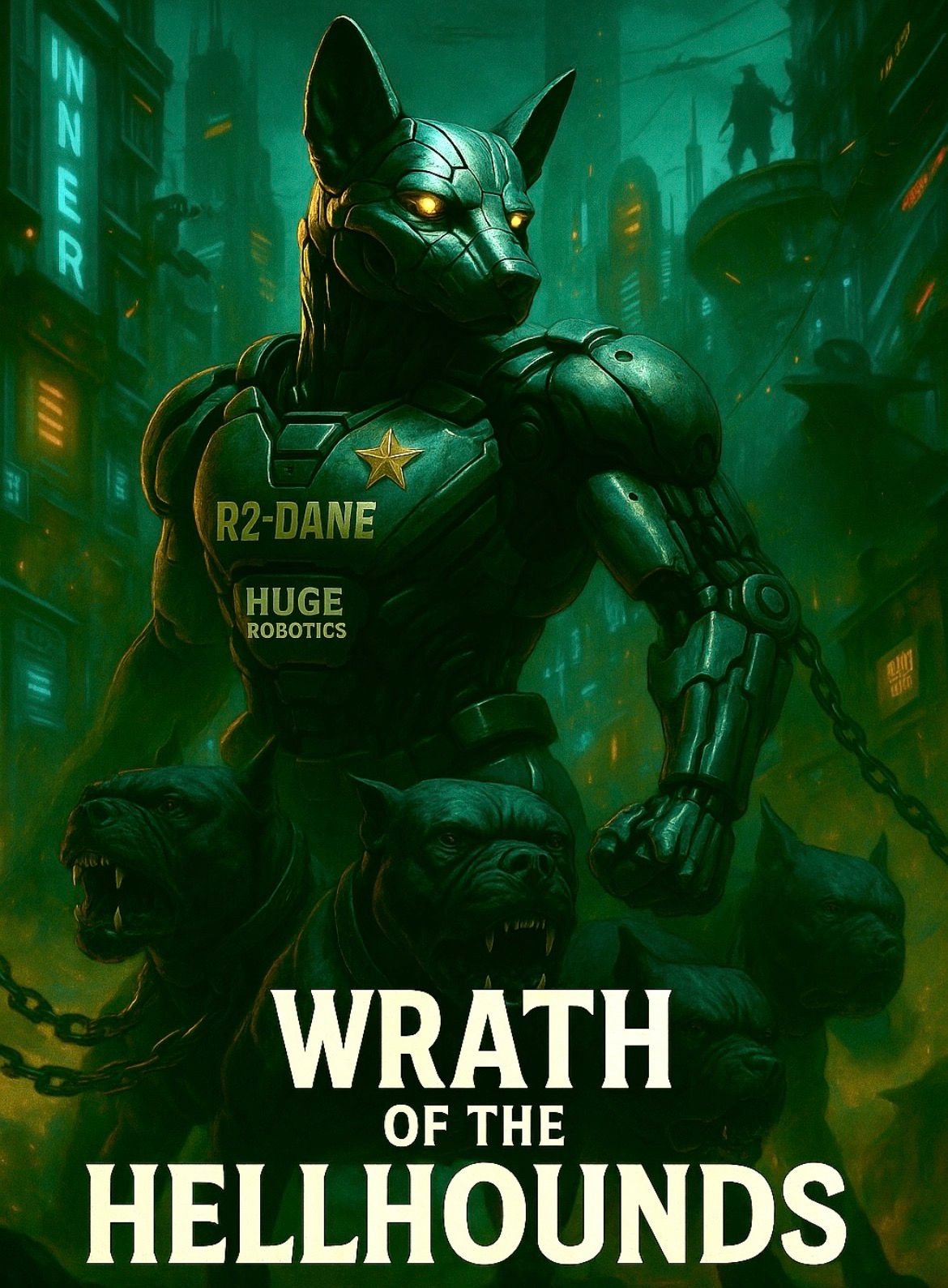
My 1st AI film production. YouTube trailer link at the end of the newsletter
The Proposal Everyone’s Talking About
In ongoing negotiations, SAG-AFTRA is pushing studios to rethink how synthetic performers are used on screen. Their lead negotiator, Duncan Crabtree-Ireland has been clear about the goal: ensure the economics still favor human work
The concept being floated—informally dubbed the “Tilly Tax”—isn’t about paying AI actors. It’s about making them cost the same as real ones.
Under the idea, if a studio uses a synthetic performer, it would pay a fee into a union-managed fund. Not to the AI itself, but to support human labor displaced by it. It’s less a wage—and more a toll.
Where I Stand: Outside the Frame
At least for now, this doesn’t apply to me. These negotiations are aimed at major studios, union productions, and the traditional pipeline that has defined filmmaking for decades. Independent creators building with AI tools—often from laptops and small teams—sit outside that structure.
Which means:
I can generate a character, place them in a scene, and complete a sequence—without triggering any of those costs.
No union scale.
No day rate.
No residual structure.
Just output.
But That’s Exactly the Problem
Because what I’m doing compresses something the industry has always depended on: cost. A single scene used to require coordination across actors, crew, location, lighting, scheduling. Now, much of that can be simulated, generated, or iterated digitally. The result isn’t just convenience. It’s a shift in the underlying economics of production. And that’s where the tension starts to show.
An Actor That Doesn’t Exist
The proposal assumes something fundamental—that there is still an “actor” to account for. But in my workflow, the performer isn’t a person. It’s an output.
A generated face.
A synthesized voice.
A character that can be adjusted, replaced, or rerun infinitely.
So the question becomes:
What exactly is being taxed?
If there’s no human to compensate, the focus shifts elsewhere—to platforms, to distribution, to revenue streams that sit around the creation itself.
What Happens Next
Right now, this conversation is contained within Hollywood. But industries rarely stay contained once a model proves viable.
If AI-driven filmmakers begin to:
attract audiences
secure distribution
generate meaningful revenue
Then the conversation expands.
From:
“How do we regulate AI actors in studio productions?”
To:
“How do we regulate AI-created content—period?”
That’s when the focus moves beyond actors entirely.
A Familiar Pattern.
This isn’t the first time technology has forced a reset in entertainment.
From digital editing to streaming platforms, each shift has challenged existing structures—and each time, the industry has responded by trying to preserve its economic balance.
What feels different now is the speed—and the scope. AI doesn’t just change how films are made. It changes who gets to make them.
The Bottom Line
For now, I’m building in a space that remains largely unregulated.
That gives me freedom—to experiment, to create, to explore new forms of storytelling without the constraints that define traditional production. But it’s hard to ignore where this is heading. Because once AI filmmaking begins to scale—
the conversation won’t be about technology anymore.
It will be about value.
And more specifically:
who gets paid… when the actor is no longer part of the equation.
—Athletic Entrepreneur
—-
Wrath of the Hellhounds
https://youtu.be/us99fgcTbm0