- The Athletic Entrepreneur
- Posts
- I Played 30+ Years Without an ACL. This Is What Happened.
I Played 30+ Years Without an ACL. This Is What Happened.
What happened next stayed with me.

Michael Kennedy
April 08, 2026
Sponsored by

I woke up this morning thinking about something I haven’t thought about in years.
I don’t have an ACL in my left knee.
I tore it playing professionally overseas. Never replaced it. No reconstruction. Just a scope, rehab, and a decision to keep going.
I struggled the following year. No question.
But then something happened.
I adapted.
I strengthened the muscles around my knee. I trained. I kept playing. And over time, I stopped thinking about what I didn’t have—and started building around what I did.
I went on to play professionally into my late 30s.
Represent my country internationally.
Compete in the most grueling one-on-one tournaments in the world and was back-2-back finalist—Nike Battleground
Play high-level pickup and “wild ball” in China into my 50s.
All without an ACL.
Even now, at 63, I feel no pain. No instability. No daily reminder that something is missing.
Which raises the question:
Should I go get one now?
The answer, for me, is no.
Not because surgery doesn’t matter—but because adaptation does.
The System I Built (Without Realizing It)
Looking back, I didn’t just “play through” an injury.
I built a system.
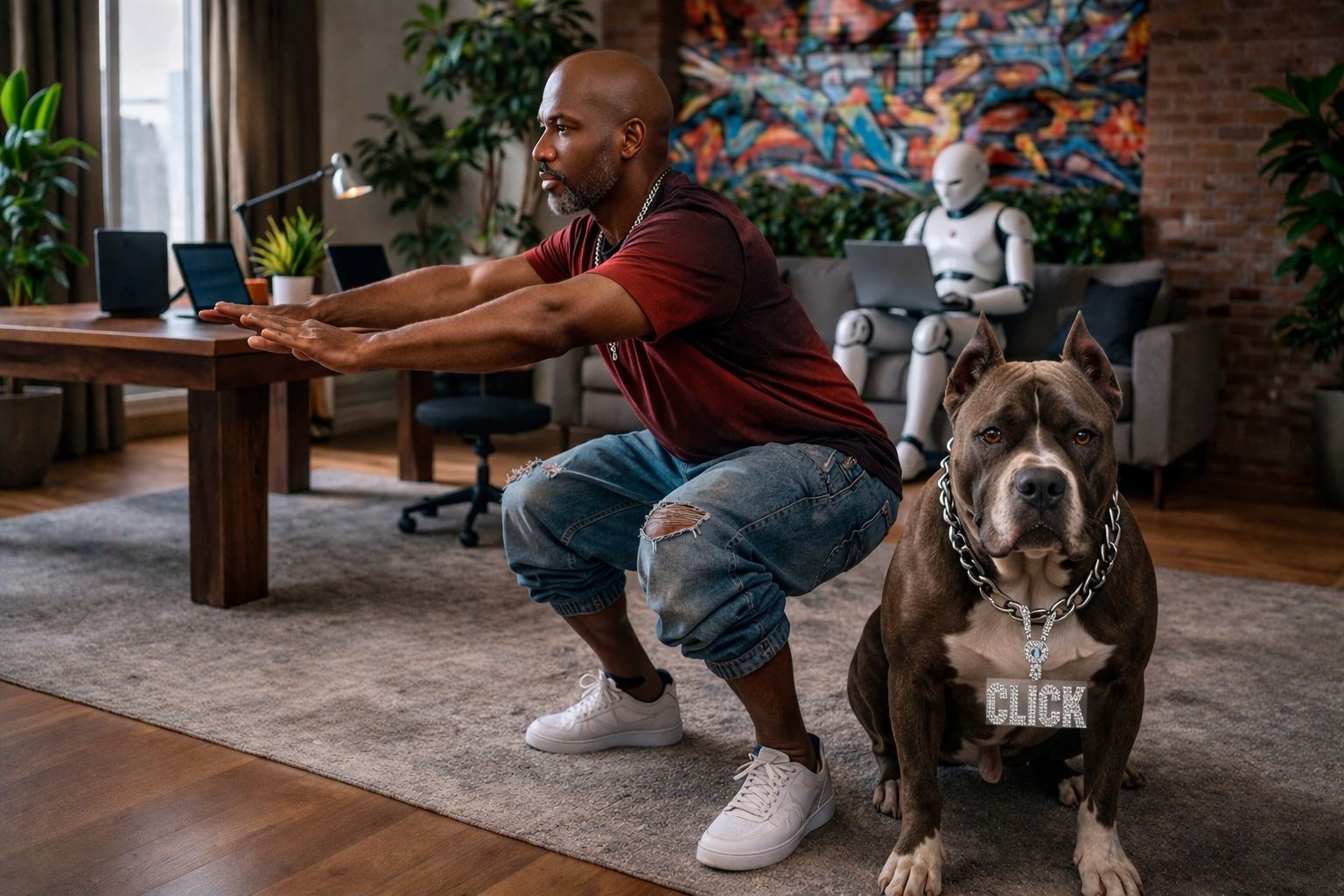
Daily squats.
Push-ups.
Pull-ups.
Movement—everywhere, all the time.
Hotel room. Living room. Office. Doesn’t matter.
Squats became my default. My anchor. My go-to.
What I didn’t realize at the time is that I was doing something modern performance science now emphasizes:
I replaced a passive structure with an active system.
Instead of relying on a ligament, I trained:
Strength.
Control.
Balance.
Repetition.
My knee didn’t stabilize because of surgery.
It stabilized because my body learned how to stabilize it.
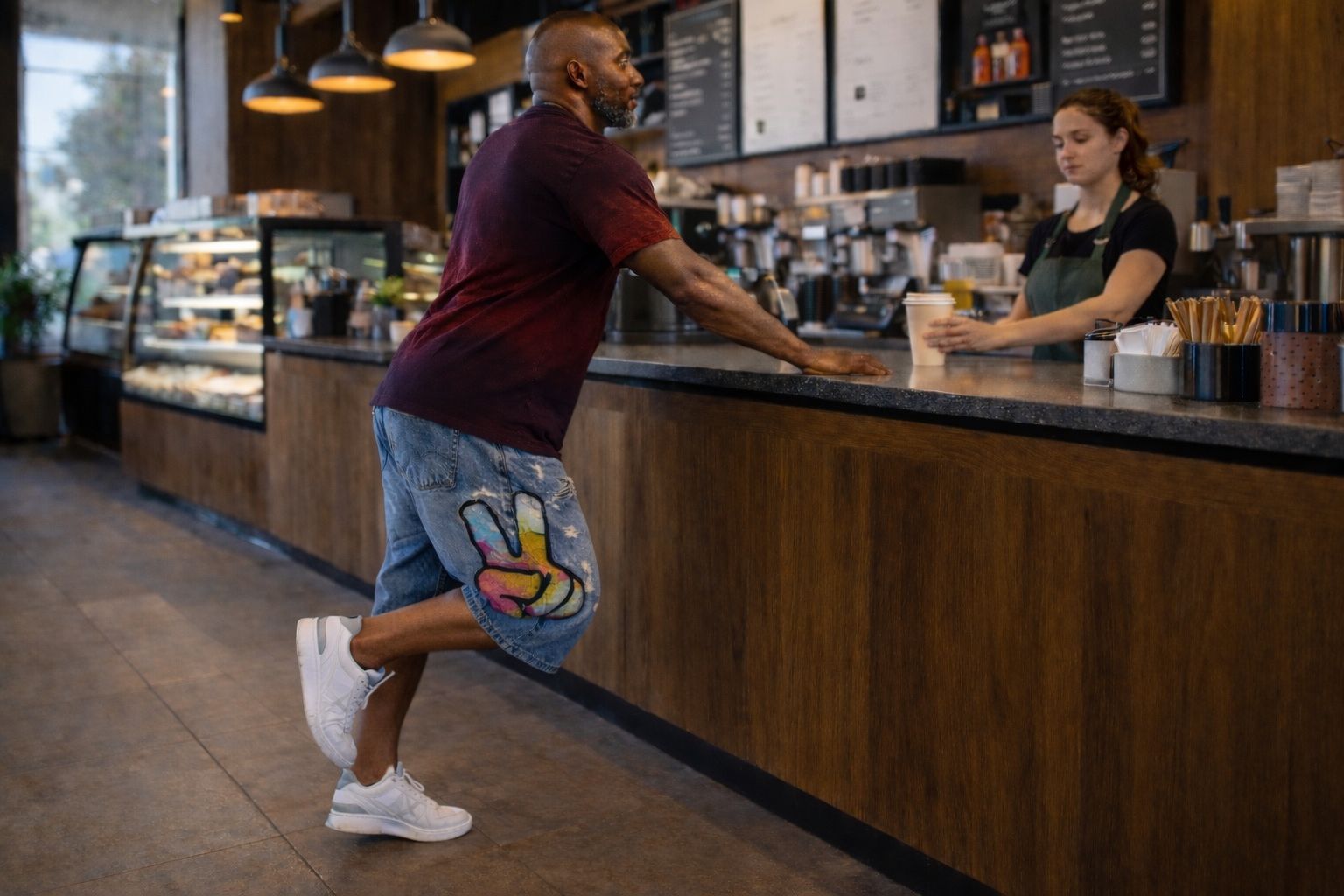
Toe raises while buying coffee
This Is Not Advice. This Is a Case Study.
Let me be clear.
This is not a recommendation for anyone to ignore injury or avoid proper medical care.
Not everyone adapts the same way.
Not everyone becomes what’s known as a “coper.”
Some athletes need surgery—and it’s the right decision.
This is simply my experience.
A real-world example of what can happen when the body is trained consistently over time.
The Athletic Entrepreneur Connection
There’s a reason my platform is built around daily movement.
Squats. Push-ups. Sit-ups. Simple, repeatable actions.
Not because they look good on social media.
But because repetition builds resilience.
What I was doing physically is the same thing I now teach mentally:
Reps matter.
At GSIP.pro we talk about mental reps—training decision-making, awareness, and intelligence through daily exposure.
In my own life, I was doing the physical version of that.
Every squat was a rep.
Every movement was feedback.
Every day was training.
Over time, the system became automatic.
The Real Lesson
Most people rely on structure.
Ligaments. Systems. Plans.
But what happens when something is missing?
You have two options:
Protect the weakness.
Or build around it.
I chose to build.
And somewhere along the way, what started as compensation became capacity.
Final Thought
I’ve lived more than half my life without an ACL.
Not because I ignored it.
But because I trained every day like I didn’t have one.
And in doing so, I built something stronger than what was lost.
Athletic Entrepreneur Footnote
After you finish reading this, drop and give yourself something:
25 squats.
10 push-ups.
Hold a 30-second plank.
Nothing extreme. Just reps.
Because the body—and the mind—only adapt when you give them something to respond to.
How Jennifer Aniston’s LolaVie brand grew sales 40% with CTV ads

The DTC beauty category is crowded. To break through, Jennifer Aniston’s brand LolaVie, worked with Roku Ads Manager to easily set up, test, and optimize CTV ad creatives. The campaign helped drive a big lift in sales and customer growth, helping LolaVie break through in the crowded beauty category.
Support the Ecosystem
If you find value here, check out our partners above.
They’re not distractions.
They’re infrastructure.
And they help keep this newsletter running — so we can keep delivering at this level.