- The Athletic Entrepreneur
- Posts
- Someone Used You As A Meme
Someone Used You As A Meme
How Internet Culture Turns Attention Into Money (and What to Do About It)

Athletic Entrepreneur
February 25, 2026
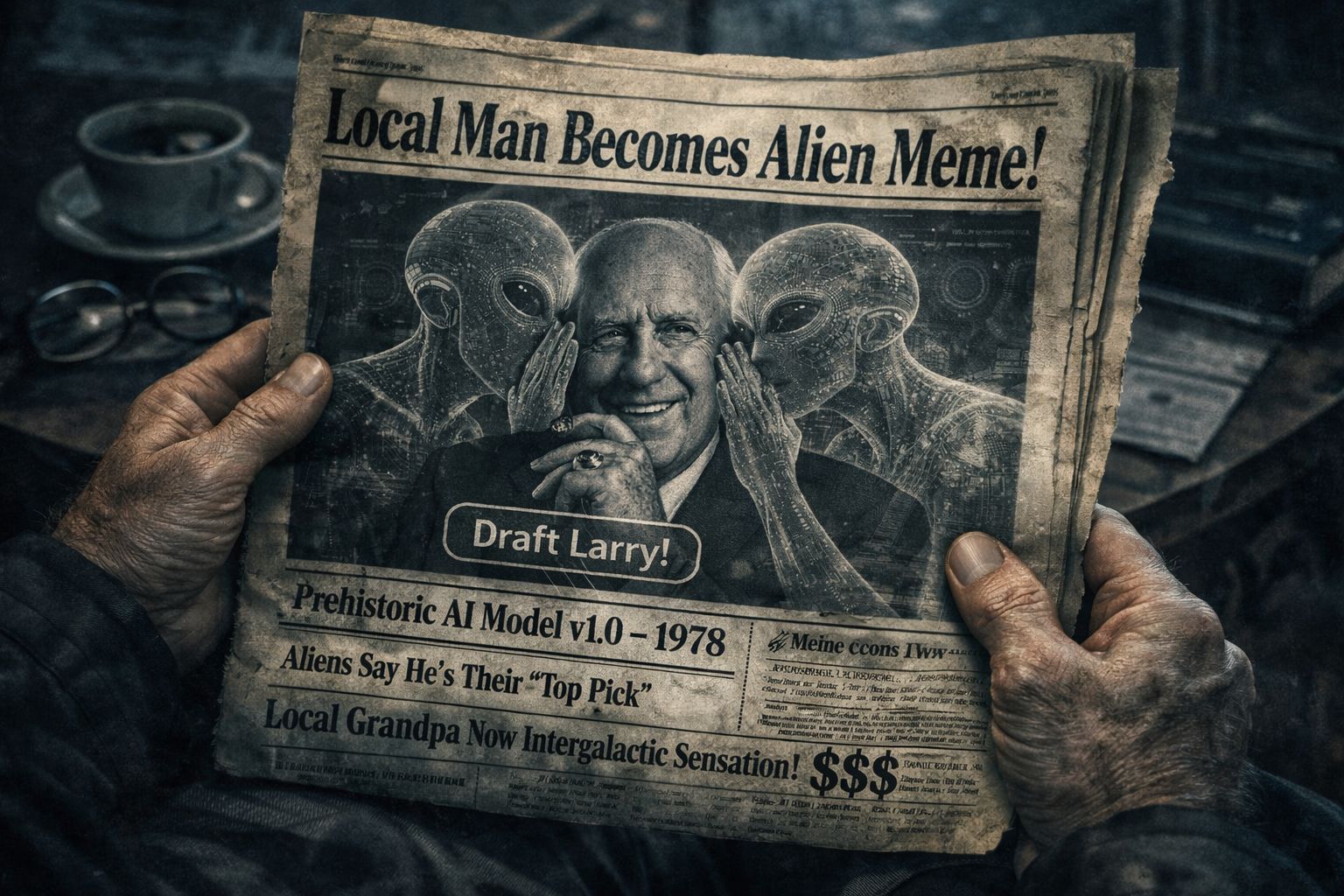
Once upon a time, memes were just jokes.
Now they’re signals.
They influence buying decisions, hiring trends, brand perception—and yes, stock prices. What started as internet humor has evolved into a fast-moving layer of market intelligence: compressed emotion packaged for instant distribution.
Welcome to the meme economy—digital nuggets of humour and cultural commentary.
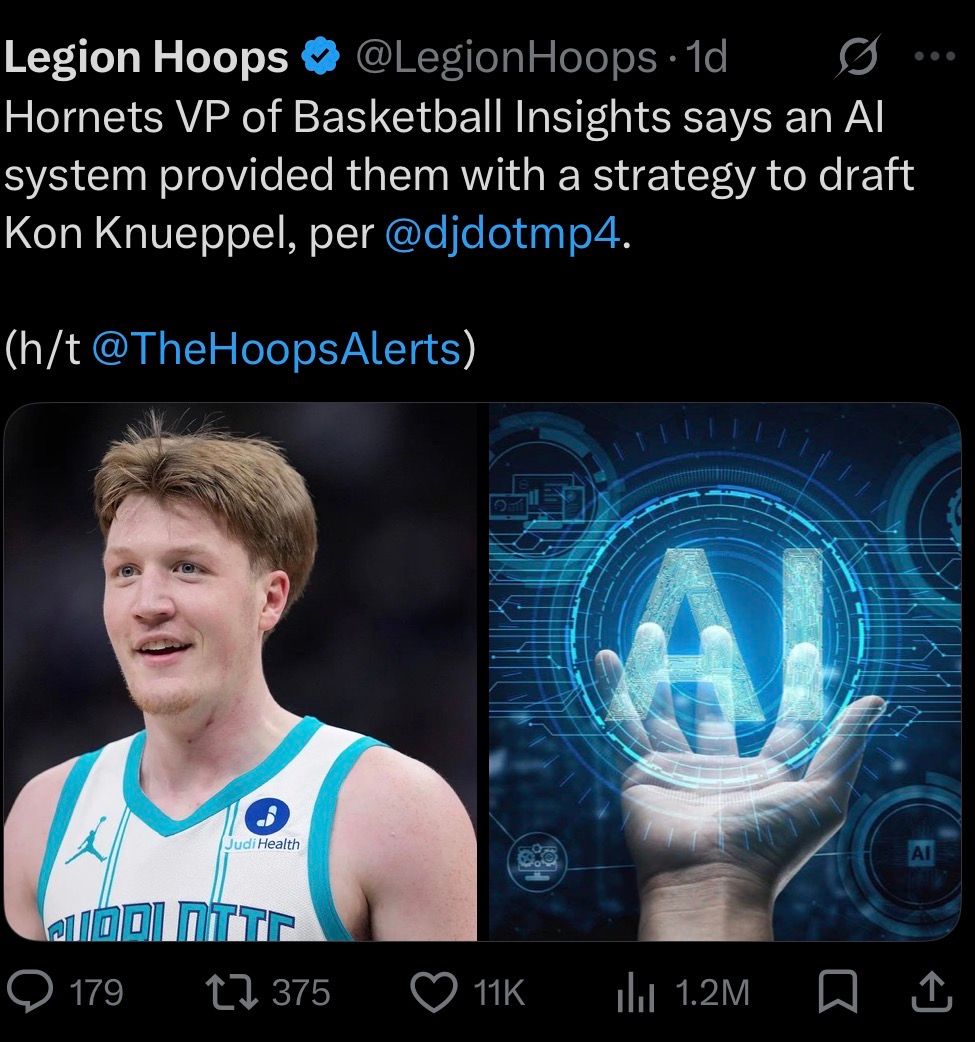 A post on X I felt was in my best interest to respond with a meme, because it blended both basketball and AI, the two inspiration for this newsletter | 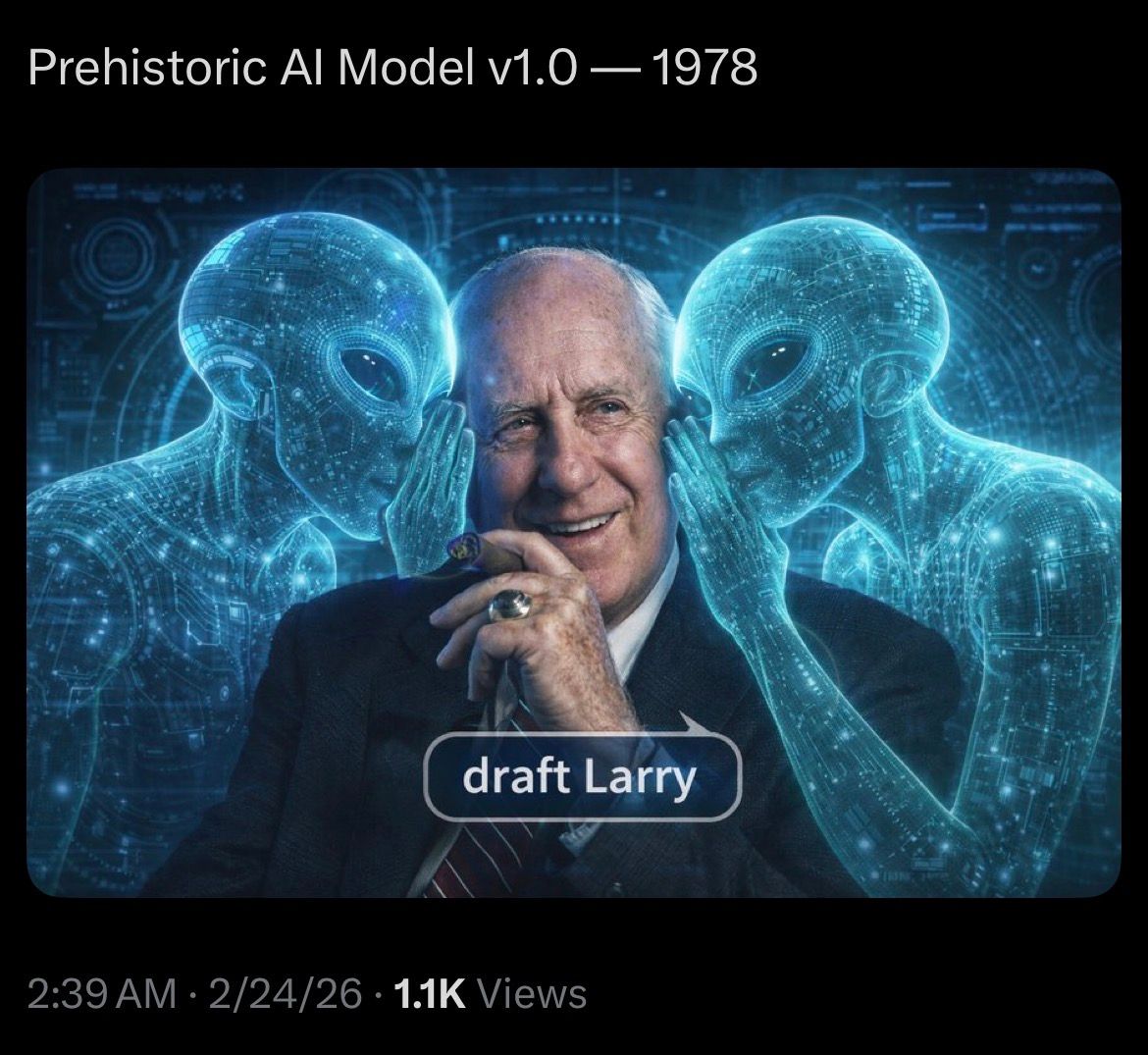 How I used AI to craft a meme to respond to this post. This Meme currently has 1K views. It will probably run to 2K views before stagnation. But it helps toward the 400K impressions I need to reach 5M impression to qualify for the X Creator Program. Some memes go viral with millions . |
What a Meme Really Is
A meme isn’t just an image with text.
A meme is:
a compressed idea
a shareable belief
a tribal signal
a micro-story
It bypasses analysis and hits emotion first.
And in markets, emotion travels faster than data.
From LOLs to Liquidity
The wake-up call for many came during the retail trading frenzy around Game Stop.
A loosely coordinated online crowd flipped the narrative from “dying retailer” to “symbol of rebellion.” Rocket emojis. Diamond hands. Crude charts. Viral screenshots.
No investor roadshow could have created that kind of momentum.
The story changed → behavior changed → price changed.
That pattern didn’t stay in finance. It spread everywhere.
Why Memes Move Markets
Memes work because they combine four forces:
1. Speed
A meme reaches millions faster than press releases or analyst notes.
2. Identity
People don’t just share memes—they join them. Memes create tribes.
3. Emotion
Fear, humor, anger, hope. Memes amplify whatever people are already feeling.
4. Simplicity
Complex topics like AI, inflation, or layoffs get distilled into one visual punch.
That compression is power.
It’s Not Just Finance—It’s Every Industry
Memes now influence:
Tech & AI: Public perception of automation spreads through jokes before whitepapers.
Fashion & streetwear: Viral clips become inventory strategy.
Food & consumer brands: “Sold out” moments often start as meme waves.
Sports & NIL: A single meme can turn a role player into a cultural asset overnight.
Memes are the new focus group—only louder, faster, and global.
The Celebrity Multiplier
When someone like Zuckerberg or Musk posts or amplifies a meme, it doesn’t just entertain—it reallocates attention at scale.
That attention becomes:
clicks
downloads
signups
trades
purchases
Memes plus distribution equal market movement.
Creators understand this. Brands are learning it. Speculators already use it.
The MEME Loop™ (Turn Insight Into Action)
Here’s where most people stop at theory. Let’s make it tactical.
Use this simple framework:
M — Monitor
Track what’s exploding on X, TikTok, Reddit, Discord.
Not everything—just velocity. What’s spreading fast?
E — Extract Sentiment
Ask: Why is this resonating?
Is it fear? hype? rebellion? aspiration?
Emotion is the data.
M — Map to Opportunity
Connect that emotion to:
a product
a service
an athlete
an asset
an industry
Where could this attention realistically flow next?
E — Execute
Create content. Adjust positioning. Launch an offer. Place a bet.
You’re not chasing memes.
You’re riding the narrative wave behind them.
The Athletic Entrepreneur Perspective
Memes are reps.
Each scroll trains collective behavior the same way drills train athletes.
If you’re building a company, personal brand, or investment thesis and you ignore memes, you’re ignoring the earliest signal layer of modern culture.
Memes tell you:
what people fear
what they desire
what they’re tired of
what they’re ready to believe next
That’s alpha.
Not in spreadsheets.
In sentiment.
Final Thought
Memes don’t replace fundamentals.
They front-run them.
They appear before earnings calls.
Before headlines.
Before analysts update models.
They’re emotional breadcrumbs scattered across the internet—early indicators of where attention is moving.
Learn to read meme velocity, sentiment, and direction, and you don’t just observe culture—
you position yourself inside it.
Athletic Entrepreneur