- The Athletic Entrepreneur
- Posts
- THE NFL DRAFT IS A WALL STREET IPO FOR ATHLETES
THE NFL DRAFT IS A WALL STREET IPO FOR ATHLETES
Where billion-dollar franchises assign valuations to human potential—and still struggle to measure the most important asset: decision-making under pressure.

Michael Kennedy
April 27, 2026

Sponsored by

What 2,000 SaaS Companies Reveal About Growth in 2026
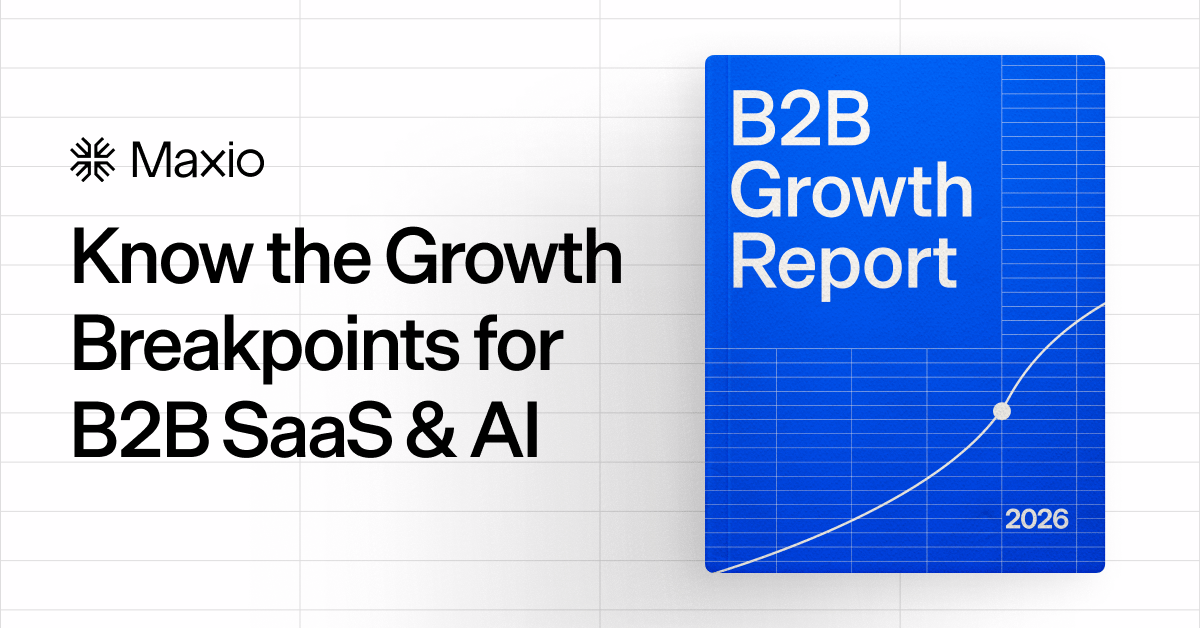
Is your growth in-line with your peers in B2B SaaS & AI?
Benchmark yourself against actual billings data for Maxio’s 2000+ global customers, alongside firsthand company perspectives to understand how growth varied by company size, business model, and strategic focus.
Key takeaways from the report:
Average growth across 2,000 companies
Growth by revenue band
AI-led vs AI-enhanced. Who performed better?
For three days every spring, the NFL stops looking like a sports league and starts looking like Wall Street.
War rooms become trading floors.
General managers become portfolio managers.
Agents become investment bankers.
Prospects become companies going public.
The NFL Draft is not merely entertainment.
It is the most visible talent-pricing event in American sports.
Every selection is a valuation.
Pick No. 1 says premium asset.
Round 1 says blue-chip with immediate expectations.
Rounds 2–3 say strong upside with manageable risk.
Late rounds say discounted value.
Undrafted free agency says opportunistic venture capital.
Teams don’t just watch film.
They run due diligence.
Speed = growth potential
Production = historical performance
Medicals = hidden liabilities
Interviews = leadership quality
Character = governance profile
Scheme fit = market compatibility
Coachability = future scalability
Then they deploy capital.
A first-round pick is not just a football decision.
It is:
Guaranteed money
Brand marketing leverage
Ticket-sales optimism
Locker-room expectations
Executive career risk
Years of opportunity cost
Miss badly, and front offices lose credibility.
Hit big, and franchises gain wins, relevance, jersey sales, ratings, and long-term stability.
That is why quarterbacks trade like elite technology companies.
A franchise quarterback is recurring revenue with upside.

He can stabilize leadership, elevate surrounding assets, attract free agents, and extend competitive windows.
Left tackles resemble insurance infrastructure.
Pass rushers resemble premium commodities.
Shutdown corners resemble scarce defensive hedges.
Different assets. Same market logic.
But here is where the comparison gets serious.
The NFL has one of the cleanest labor markets in sports:
Transparent order.
Known compensation bands.
Defined timelines.
Public pricing pressure.
Clear supply-demand signals.
Compare that with modern college athletics:
Transfer portal volatility.
Private NIL negotiations.
Constant roster churn.
Uneven information flow.
No universal valuation model.
One market is formalized.
The other is still discovering itself.
And like every market, the draft gets things wrong every year.
First-round busts happen.
Late-round steals emerge.
Undrafted players become stars.
That means the industry still misprices talent.
If the most resourced football league in the world misses annually, what is everyone else missing?
Often the hardest variables to measure:
Decision speed.
Pattern recognition.
Emotional control.
Learning velocity.
Adaptability under pressure.
Competitive resilience.
The combine can measure bodies.
Sundays measure minds.
That is where sports is heading.
Wall Street evolved from instinct to data.
Scouting will evolve the same way.
The next advantage may not be another tenth of a second in the 40-yard dash.
It may be cognitive intelligence:
Who processes chaos fastest?
Who learns systems quickest?
Who makes elite decisions when fatigue hits?
Who remains composed when stakes rise?
The draft looks like a television show.
Underneath it, billions of dollars are being allocated to projected human performance.
And every year the same lesson returns:
Some assets are overpriced.
Some are overlooked.
Some become dynasty-level returns.
The smartest organizations won’t just scout talent.
They will price intelligence before everyone else does.
CTA
This press room runs on attention.
The partners here fund the system.
If something’s relevant—tap in.
That’s the trade.
Now—
You’ve been sitting in a perfectly sized world.
Break that.
50 squats
25 push-ups
60-second wall sit
No customization.
No upgrades.
Just you vs reality.
Because the real edge?
Is building a system around you—
before the world forces one onto you.

GLOBAL SPORTS INTELLIGENCE PLATFORM ● https://gsip.pro ● TRAIN THE MIND