- The Athletic Entrepreneur
- Posts
- You Think This War Won’t Affect You? You’re Wrong.
You Think This War Won’t Affect You? You’re Wrong.
1 shipping lane controls 20% of the world’s oil

Michael Kennedy
March 04, 2026
This is a 2 minute read….
Most people think war happens somewhere else.
On a map.
On the news.
On the other side of the world.
But if oil spikes, the first place you’ll feel it isn’t the battlefield.
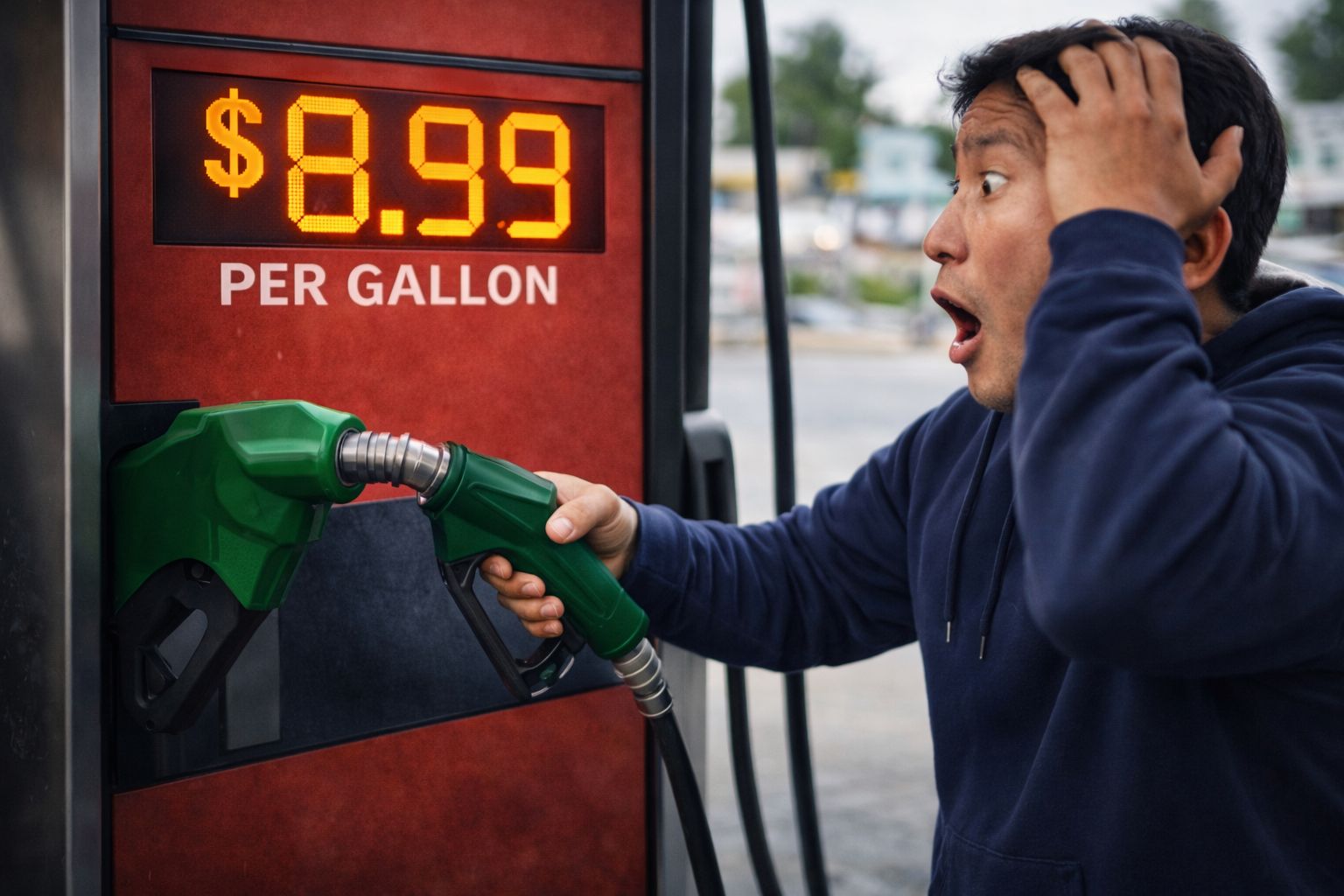
It’s your gas pump.
And your grocery bill.
The Shipping Lane That Powers the World
Nearly one out of every five barrels of oil on Earth moves through a single narrow waterway.
The Strait of Hormuz.
This shipping route sits between Iran and the Arabian Peninsula and connects the Persian Gulf to the rest of the world.
Roughly 20% of global oil supply passes through this one corridor every day.
If that flow is disrupted — even briefly — energy markets react instantly.
Oil prices spike.
And once oil moves…
everything else follows.
Why Oil Prices Affect Almost Everything
Energy is the invisible ingredient inside the global economy.
Think about how your food gets to your table.
The tractors that harvest crops run on fuel.
The fertilizer used to grow those crops is produced using natural gas.
The trucks delivering food to grocery stores burn diesel.
Even the packaging and plastics used in everyday products are tied to energy costs.
So when oil rises, it doesn’t stay contained to energy markets.
It spreads.
Gas prices climb.
Shipping costs increase.
Airlines raise ticket prices.
Manufacturing becomes more expensive.
And eventually…
food prices go up.
We’ve Seen This Before
Energy shocks have reshaped the global economy before.
In 1973, an oil crisis triggered inflation, economic slowdowns, and a decade of market instability.
Today the world is even more interconnected.
Supply chains move faster.
Markets react instantly.
And energy disruptions ripple through the economy in real time.
Which means the consequences of geopolitical tension aren’t just political.
They’re economic.
The Hidden Battlefield Most People Ignore
When people think about war, they imagine soldiers and missiles.
But modern conflicts also play out in markets.
Energy supply.
Shipping lanes.
Commodity prices.
These economic pressure points can impact billions of people far beyond the battlefield.
And right now, traders and investors are watching one thing closely:
oil.
Because when energy markets start moving sharply, it often signals that something larger is unfolding beneath the surface.
What Happens If Oil Keeps Rising
If oil continues climbing toward $90–$110 per barrel, history suggests several things usually follow:
• Inflation pressure increases
• Transportation costs rise
• Consumer prices move higher
• Markets become more volatile
In other words, the economic consequences can spread far beyond the region where the conflict began.
And sometimes those consequences last longer than the war itself.
The Question Most People Should Be Asking
The real question isn’t simply:
“Is there a war happening somewhere?”
The real question is:
How will energy markets react?
Because energy is the foundation of the global economy.
It powers transportation.
Agriculture.
Manufacturing.
And nearly every supply chain that supports modern life.
When energy prices move dramatically…
the ripple effects reach everyone.
Final Thought
Wars used to be fought primarily with armies.
Today they’re also fought through energy supply, shipping routes, and economic pressure points.
Which means even people thousands of miles away can feel the consequences.
Sometimes faster than they expect.
Because in the modern world…
the economic battlefield is global.